Woodend Font: Handcrafted Typography for Digital Campaigns
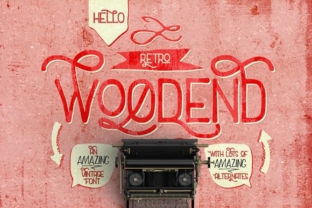
In the fast-paced world of digital marketing, capturing attention within milliseconds is the primary objective. As content creators and social media managers, we understand that typography is not merely about legibility; it is a strategic tool for emotional connection and brand differentiation. Woodend, a beautiful handcrafted font created by Creativeqube, offers a distinct solution for marketers seeking to infuse warmth and authenticity into their visual assets. Unlike generic system fonts or overused display typefaces, Woodend brings an organic, artisanal quality that resonates deeply with audiences fatigued by polished, corporate aesthetics. This premium font serves as a versatile asset for campaigns requiring a personal touch without sacrificing professional appeal.
Elevating Brand Identity Through Organic Typography
The visual personality of a brand is often defined by its typographic choices. Woodend falls into the Script Amp category but transcends traditional script limitations by offering a textured, handwritten feel that suggests craftsmanship and care. For brand managers and designers, this typeface provides an immediate shortcut to establishing trust and approachability. When used in logo design or consistent header treatments, Woodend signals that a brand values human connection over mass production. This is particularly effective for niche markets such as sustainable fashion, artisanal food products, wellness coaching, and boutique hospitality.
Integrating this creative font into your brand identity system helps create a cohesive visual language across disparate platforms. Whether applied to packaging design, web design headers, or email signatures, the consistent use of Woodend reinforces brand recognition. The irregularities inherent in its handcrafted strokes prevent the design from feeling sterile, making it an ideal choice for personal branding where the creator’s unique voice needs to shine through the digital noise. It transforms standard marketing communication into something that feels like a direct conversation with the audience.
Strategic Applications Across Social Media Platforms
Social media feeds are saturated with bold, sans serif headlines designed to shout. Woodend allows your content to whisper confidently, creating a pattern interrupt that stops the scroll. Its application varies significantly depending on the platform and the specific goals of the campaign.
- Instagram and Pinterest: Use Woodend for inspirational quote graphics, carousel cover slides, and story highlights. The font’s elegant flow pairs exceptionally well with minimalist photography and earthy color palettes, increasing save rates and shares among users seeking aesthetic inspiration.
- YouTube Thumbnails: Readability at small sizes is critical. Woodend works best here for short, emotive keywords rather than full sentences. A three-word hook in Woodend can convey mood more effectively than a lengthy title in a standard bold font, improving click-through rates for lifestyle, vlog, and tutorial content.
- Reels and TikTok Covers: Video thumbnails must be instantly decipherable. Woodend adds a layer of production value to user-generated content styles, bridging the gap between raw video and polished editorial design.
- Digital Ads and Banners: In paid advertising, trust is currency. Using a handwritten font like Woodend in ad creatives can reduce banner blindness by mimicking native, organic content. It softens sales messages, making promotional graphics feel less intrusive and more like recommendations from a friend.
Optimizing Visual Hierarchy and Mobile Readability
While Woodend is visually striking, its effectiveness relies heavily on proper implementation within the visual hierarchy. As a display font, it demands space to breathe. Marketers must resist the urge to use it for body copy or dense informational blocks. Instead, leverage Woodend for high-impact elements: headlines, callouts, limited-time offer badges, and signature sign-offs. This restraint ensures that the font retains its specialness and remains legible across all devices.
Mobile optimization is non-negotiable in modern content strategy. Handcrafted fonts can sometimes suffer on smaller screens if tracking is too tight or contrast is insufficient. When designing reels covers or mobile-first landing pages using Woodend, ensure ample padding around the text. Test your designs at actual size on a phone screen before publishing. If the intricate details of the letterforms blur at thumbnail size, increase the font weight or simplify the wording. The goal is instant comprehension; if a user has to squint to read your sale announcement, the conversion opportunity is lost.
Mastering Font Pairing for Professional Layouts
To maximize the versatility of Woodend, it must be paired correctly with supporting typefaces. The right combination balances artistic expression with functional clarity, ensuring your marketing materials are both beautiful and informative.
- Woodend + Clean Sans Serif: This is the most reliable pairing for digital marketing. Use Woodend for the emotional hook or main headline, and pair it with a geometric or neutral sans serif font (like Montserrat, Inter, or Open Sans) for subheadings, captions, and CTAs. The contrast between the organic script and the structured sans serif creates a modern, accessible look suitable for tech-lifestyle brands and educational content.
- Woodend + Classic Serif: For a more editorial or luxury aesthetic, combine Woodend with a high-contrast serif font. This pairing evokes traditional publishing and heritage, making it perfect for fashion lookbooks, wedding industry marketing, and premium product launches. The serif grounds the whimsy of the script, adding authority and sophistication.
- Woodend + Monospace: For a contemporary, Gen Z-focused aesthetic, try pairing Woodend with a monospace font. This unexpected juxtaposition creates tension and interest, ideal for streetwear brands, art exhibitions, or avant-garde creative portfolios.
When executing these pairings, maintain strict consistency. Define which font handles which role in your brand guidelines. This discipline ensures that even when multiple team members create content, the output remains visually unified and professionally coherent.
Driving Engagement in Seasonal and Promotional Campaigns
Woodend excels in time-sensitive marketing contexts where emotion drives action. During seasonal promotions, holiday sales, or product teasers, the font’s handcrafted nature amplifies feelings of nostalgia, celebration, and exclusivity. Consider a Black Friday campaign: instead of aggressive block letters screaming "SALE," a Woodend treatment saying "A Special Gift for You" can differentiate your brand from competitors and appeal to shoppers seeking meaningful purchases over impulse buys.
For webinar banners and event promotions, Woodend adds a human element to what can often be dry, corporate messaging. It suggests that real people are behind the event, fostering anticipation and connection. Similarly, in email marketing, using Woodend in preheader text or hero images can boost open rates by promising a personalized experience inside. Content series and recurring segments also benefit from this typeface; using it as a consistent visual marker helps audiences instantly recognize new installments in their feed, building habit and loyalty over time.
Licensing and Commercial Best Practices
As marketing professionals, we must navigate the legal landscape of design assets responsibly. Before deploying Woodend in any commercial capacity—including paid ads, client deliverables, merchandise, digital products, or monetized YouTube content—it is imperative to review the specific licensing terms provided by Creativeqube. Font licenses vary significantly; a personal use license rarely covers commercial advertising or template creation for resale.
Investing in the correct commercial license protects your brand and your clients from potential legal issues while supporting the type designer’s craft. Furthermore, understanding the license scope helps in planning long-term campaigns. If you intend to use Woodend in editable templates for Canva or other design platforms, verify that this specific use case is permitted. Proper licensing is not just a legal formality; it is a component of professional integrity and sustainable design practice. By respecting intellectual property, we ensure that talented creators continue to produce the high-quality tools that make our marketing efforts successful.